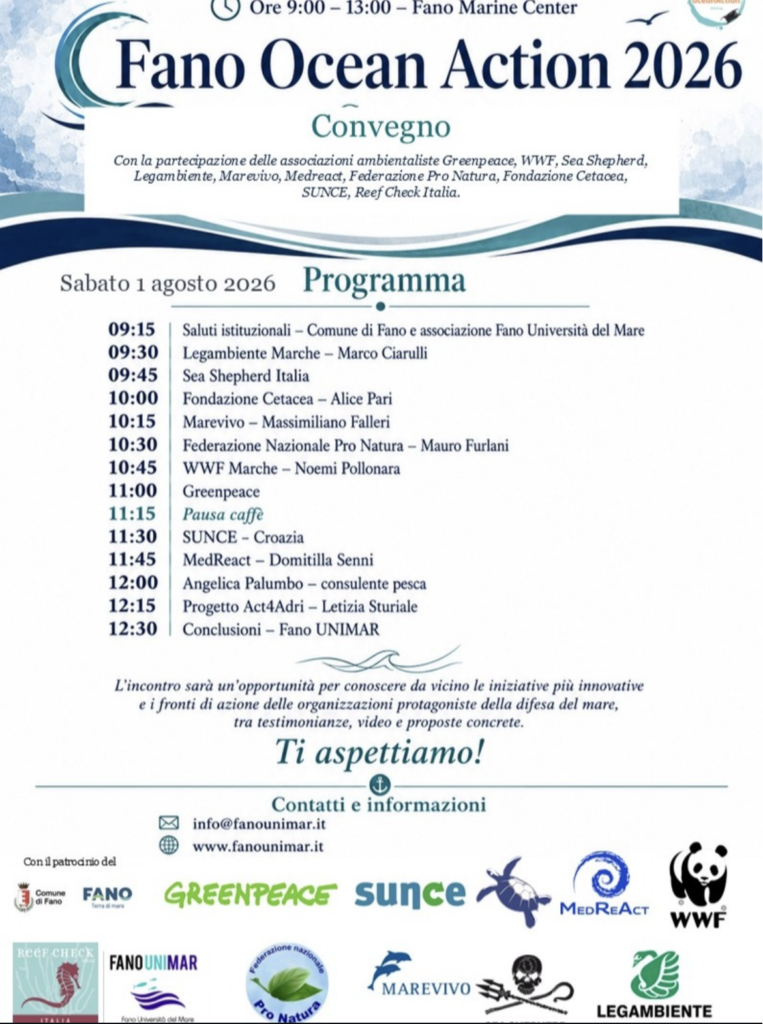
This year the “Fano Ocean Action” conference was held at the Fano Marine Center, in Fano on August 1st, from 9:00 am to 1:00 pm.
The Deputy Mayor of Fano, Loretta Manocchi, opened the discussion by highlighting the severity of plastic pollution still affecting the Arzilla river and its mouth, where waste accumulates, causing damage to both the ecosystem and the tourism economy. She then emphasized how the constant need to carry out awareness-raising activities is a symptom of a cultural deficit, calling for an environmental education journey that begins directly within families.
The event was promoted by Carlo Cerrano, President of FanoUnimar and Professor at the Faculty of Marine Biology at the Università Politecnica delle Marche, together with the FanoUnimar team. The objective of the event was to offer a chance for delegates of some of the most prominent Italian environmental organizations (Legambiente, Sea Shepherd, Fondazione Cetacea, Marevivo, Pro Natura, Associazione Sunce, MedReact, Greenpeace) to present their ongoing projects. A widespread commitment emerged, capable of combining scientific research, direct action in the field, and local community involvement.
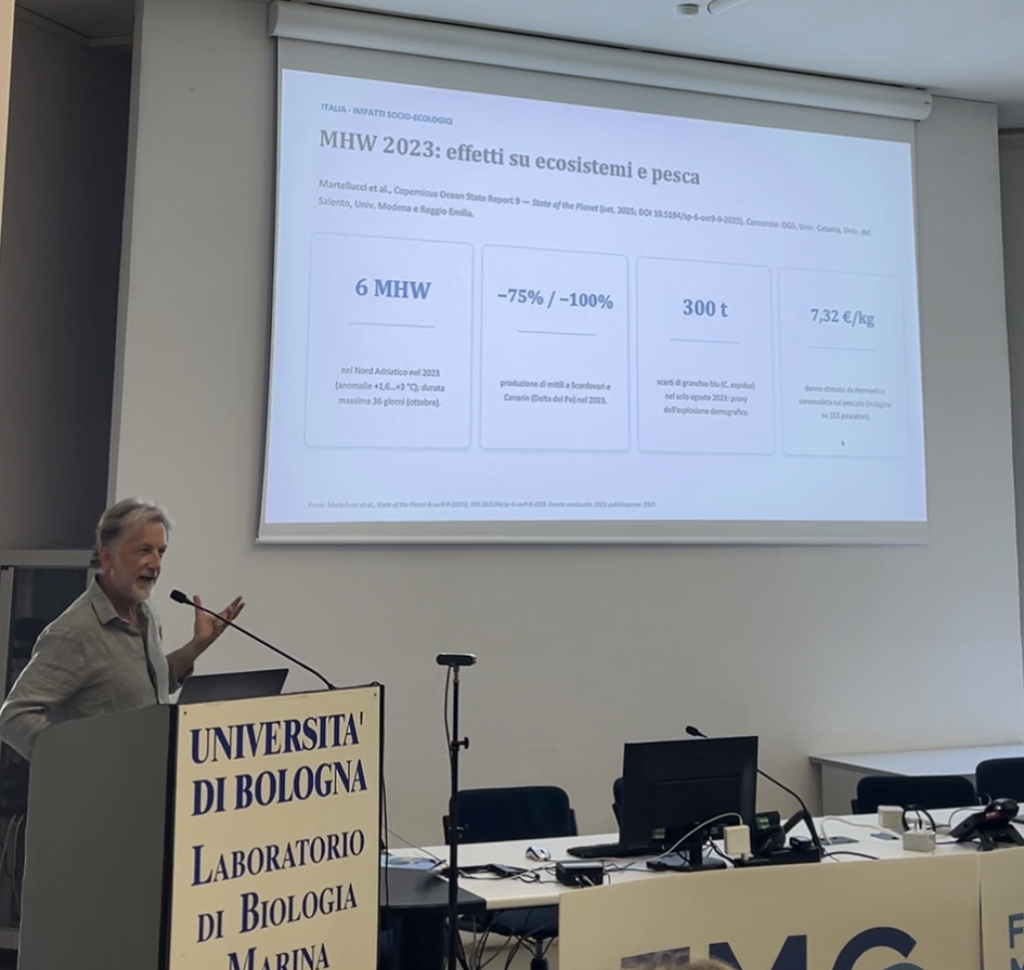
Marco Ciarulli, representing Legambiente Marche, focused on the repercussions of climate change in the Mediterranean, criticizing the fragmentation of regional policies and hoping for a new communication style that makes the ecological transition “desirable.” Then, he raised alarm about the massive presence of plastic which, carried by rivers, settles along the coastline and invades the beaches.
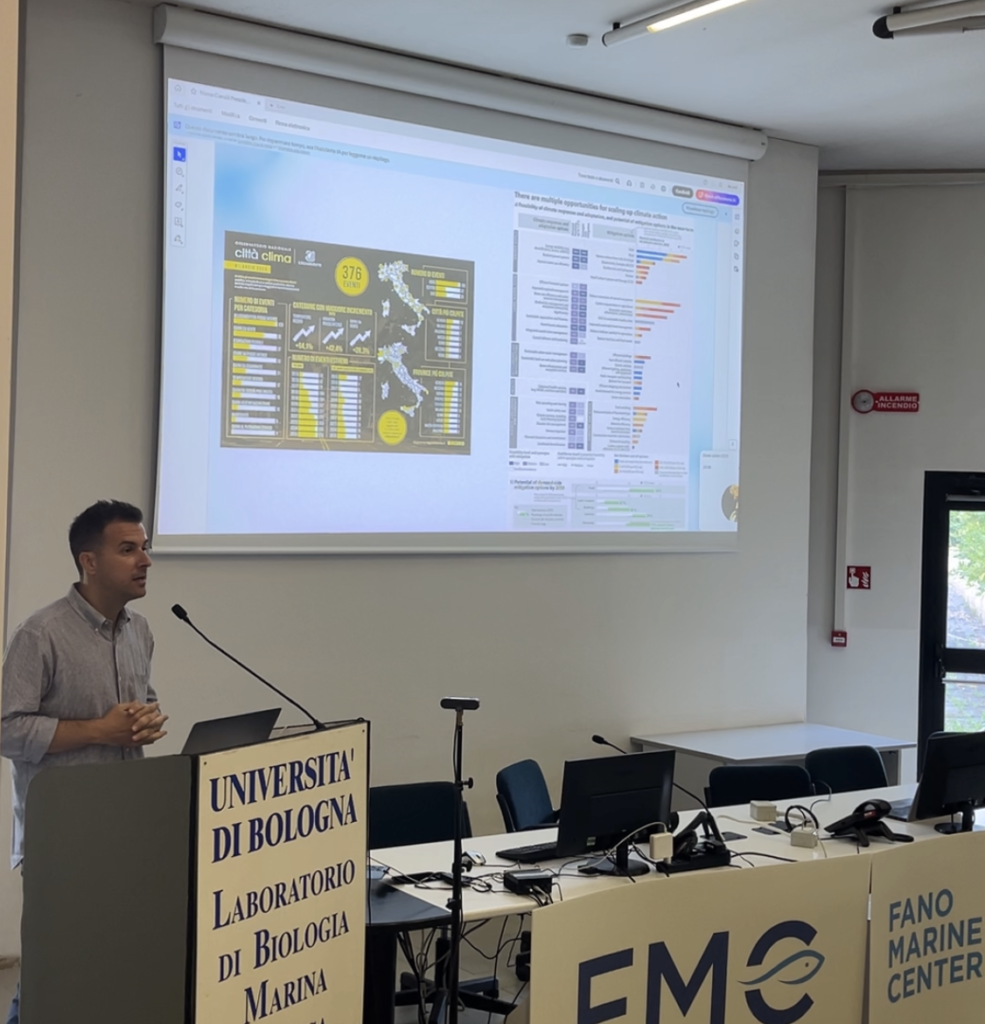
Silvia Suppini, a volunteer from Sea Shepherd, outlined direct action campaigns, both locally and internationally, aimed at tackling illegal fishing (driftnets, FADs), cetacean slaughters (Taiji, Faroe Islands), and krill harvesting. She also highlighted the achievements in several Italian protected areas (such as Plemmirio and Torre Guaceto), guaranteed by constant presence and cooperation with law enforcement.
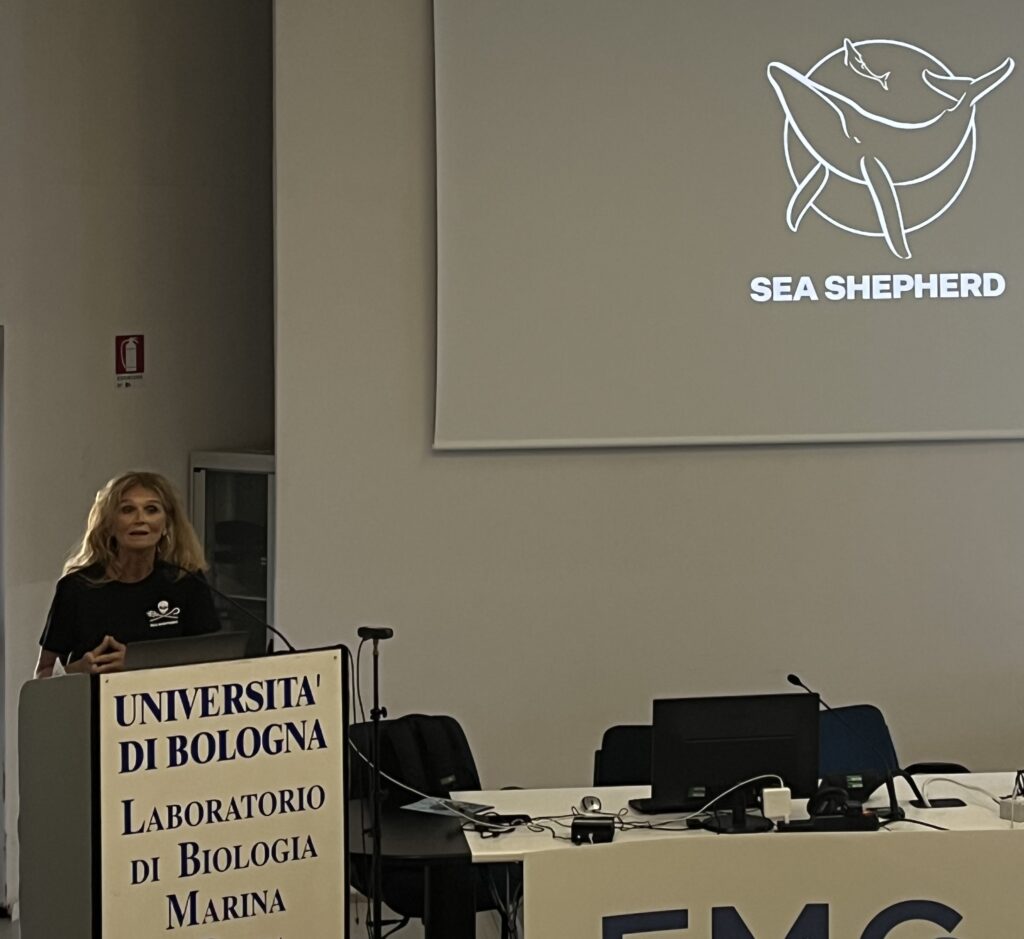
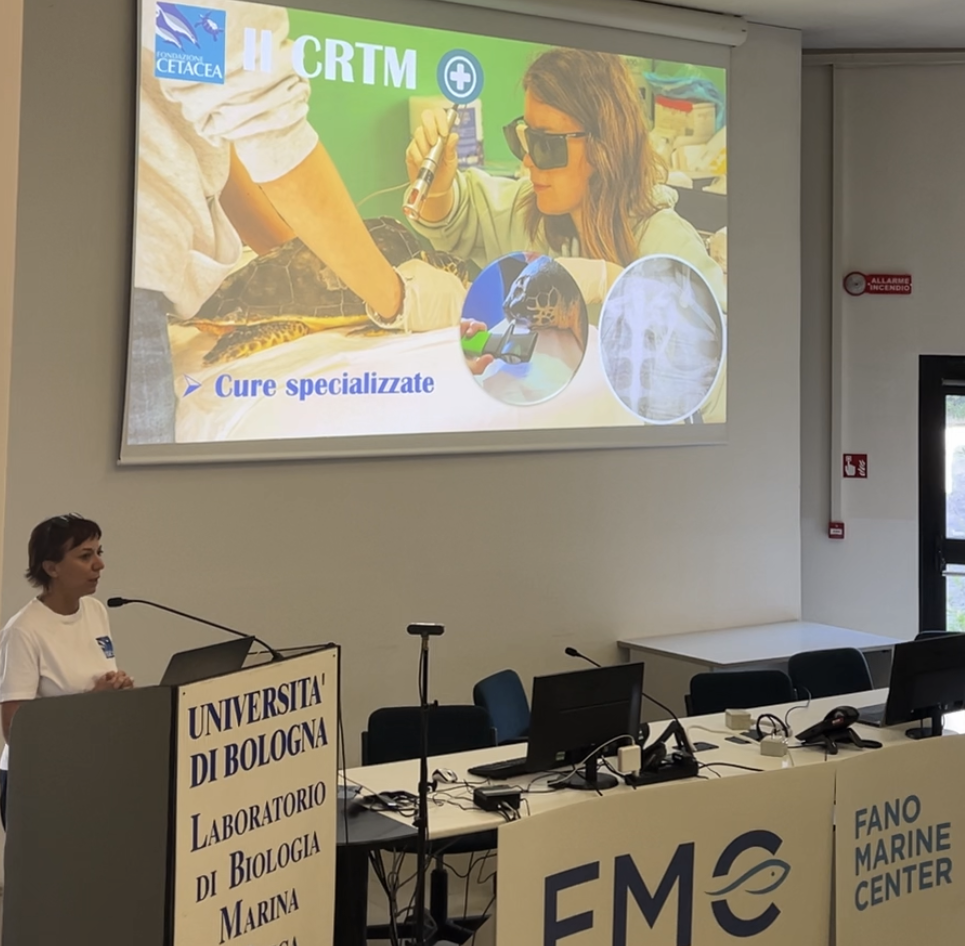
Alice Pari, representing Fondazione Cetacea, spoke about the daily work of rescuing and caring for sea turtles, highlighting how bycatch, that’s the accidental capture of reptiles in fishing gear, can be reduced through the adoption of TEDs (Turtle Excluder Devices). This escape system almost entirely eliminates accidental mortality during bottom trawling. A further innovation introduced by Fondazione Cetacea involves the creation of a rehabilitation area directly in the sea, designed to speed up the animals’ recovery and anticipate their release back into the wild.
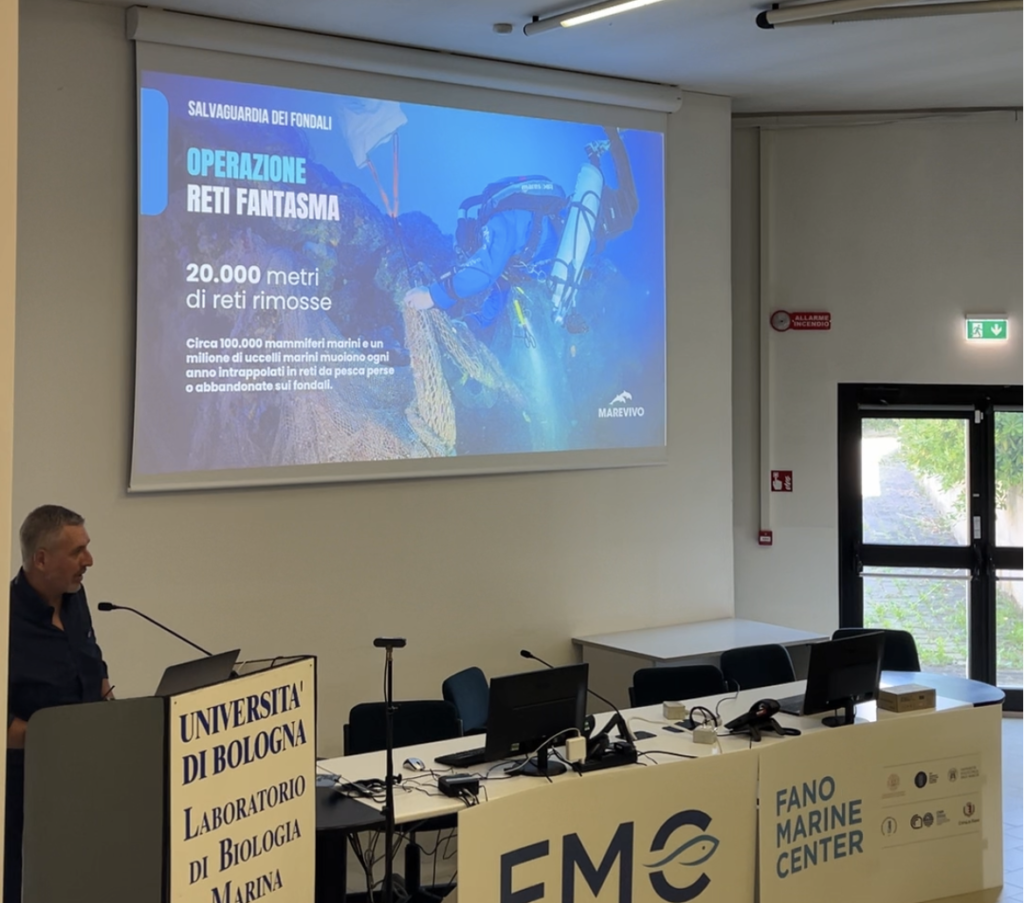
For Fondazione Marevivo, Massimiliano Falleri presented the ghost net recovery projects carried out by the diving team. He announced also how important their restoration projects of Posidonia oceanica meadows are. P.oceanica is a marine phanerogam fundamental to the health of the marine ecosystem. Restoration efforts also involve Cladocora caespitosa, a Mediterranean coral whose survival is severely threatened by warming waters. To address the problems related to the fishing sector, Marevivo adopts and promotes concrete solutions: among these, the campaign to replace polystyrene fish boxes with rigid plastic containers that are recyclable, reusable, and more durable, as well as testing pyrolysis to convert fishing nets into energy.
For Federazione Nazionale Pro Natura, Mauro Furlani reaffirmed that environmental education is an indispensable prerequisite for any long-term transformation. He launched a firm appeal to overcome the isolation between individual environmental associations, aiming to the creation of a common front as the only way to influence legislative decisions (for example, regarding the reform of the framework law on protected areas).

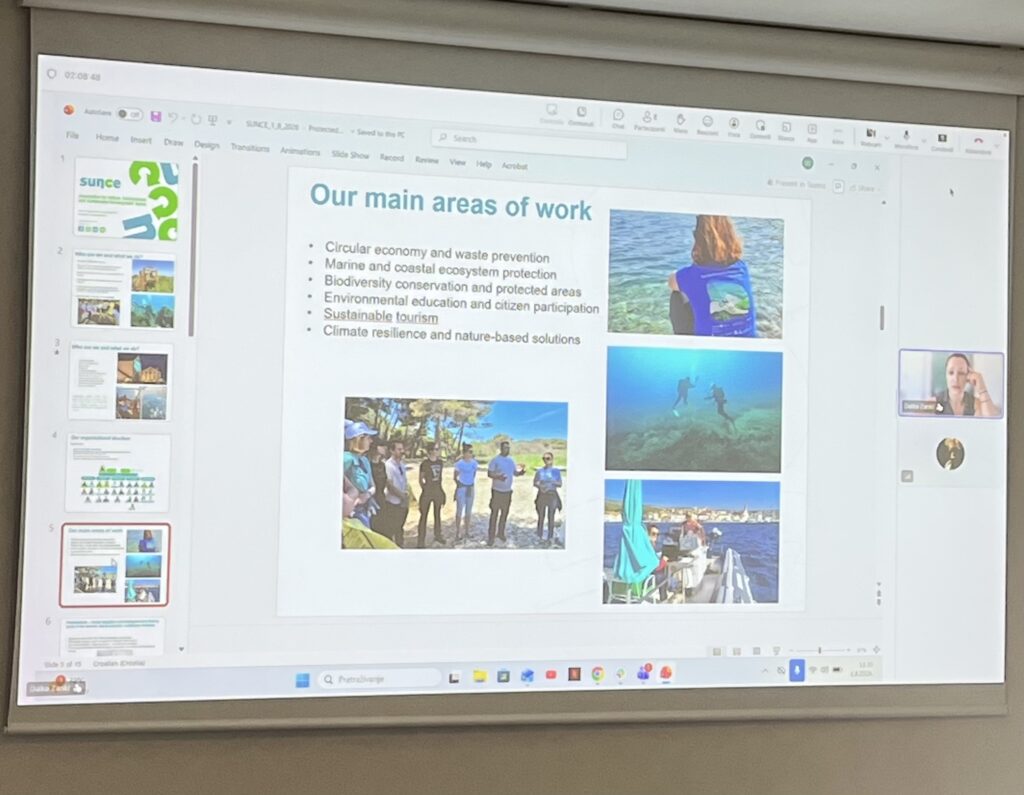
The Croatian environmental association Sunce, through the intervention of the marine biologist Dalka Zanki, marked the first step for FanoUnimar toward extending its reach to the eastern shore of the Adriatic basin. Their projects are related to the circular economy and marine litter containment and are implemented in close collaboration with fishers and citizens, strengthening cross-border cooperation, which is essential for the protection of the Adriatic Sea.
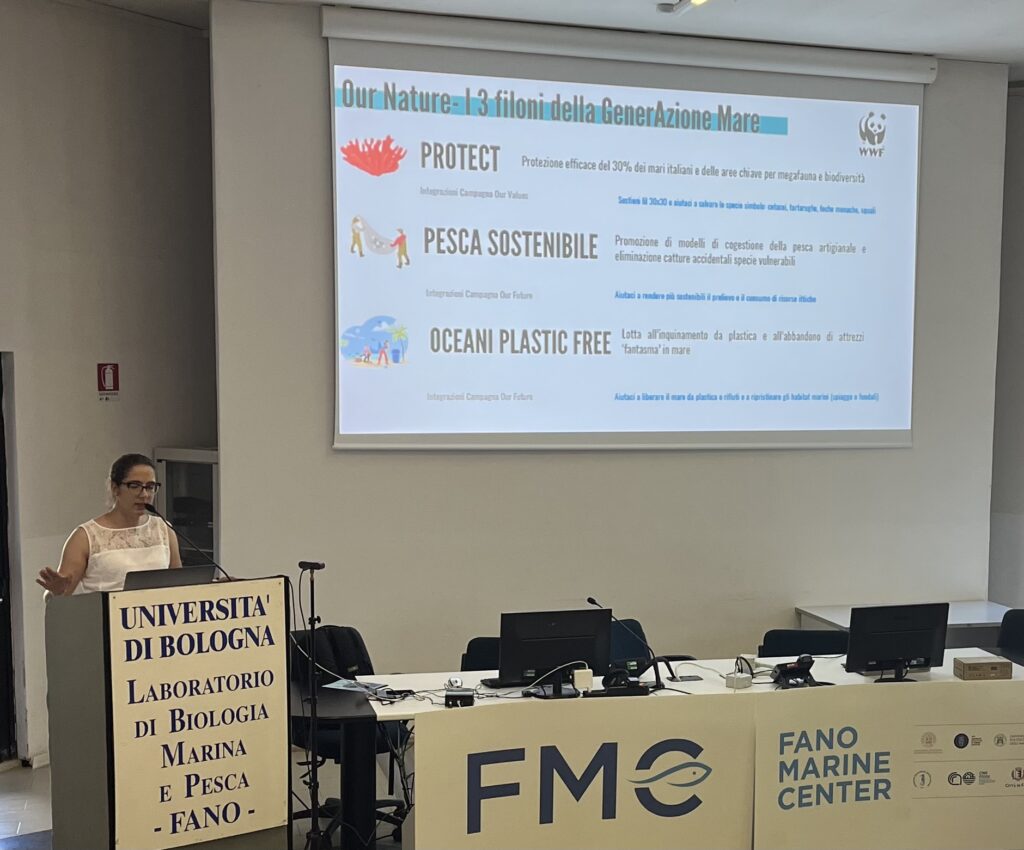
Noemi Pollonara, delegate for WWF Marche, highlighted how their citizen science initiatives also involve countries such as Greece, Tunisia, and Turkey. By participating in cleanup days, WWF volunteers catalog data regarding the type and quantity of recovered trash on digital platforms, allowing for comparisons with other nations. Furthermore, by taking part in Life projects, WWF focuses its action on the conservation of the Mediterranean monk seal, sea turtles, and their respective habitats, using environmental monitoring, mapping of breeding sites, and awareness campaigns aimed at local communities.
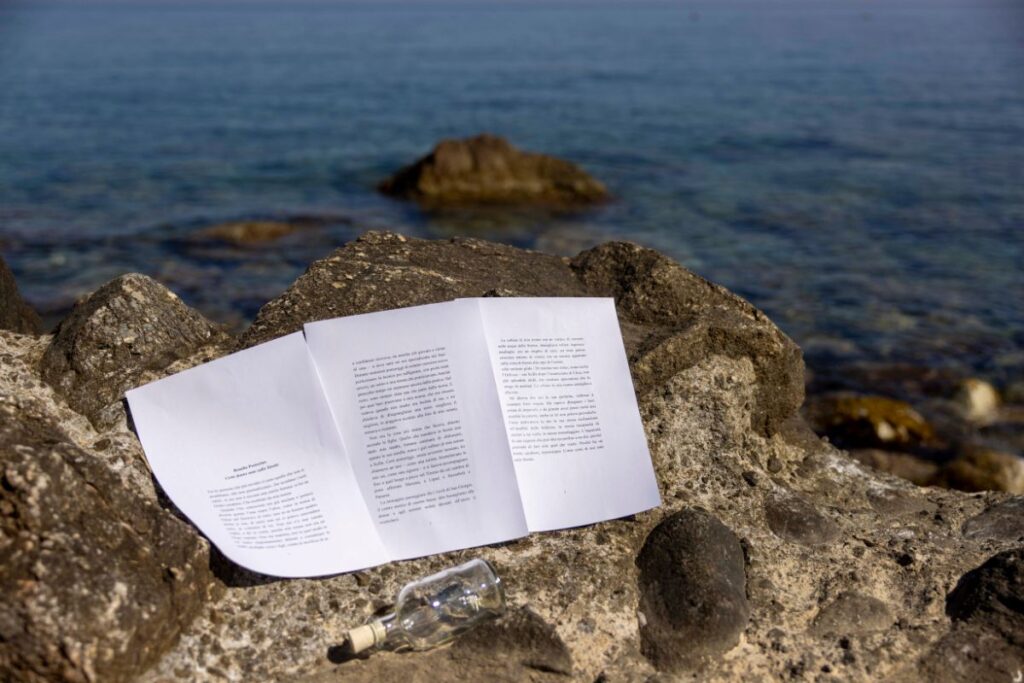
Greenpeace presented a symbolic project involving four artists (Francesco De Grandi, Massimo Catalani, Rossella Postorino, and Laura Fusco), whose works (paintings, steles, short stories, and poems) were placed and hidden in various points of the marine environment (among Posidonia meadows, beneath the sand, and in the open sea). The intervention highlighted the moral and political obligation to protect the Adriatic basin and the need for concrete acts of care and protection in order to work against threats.
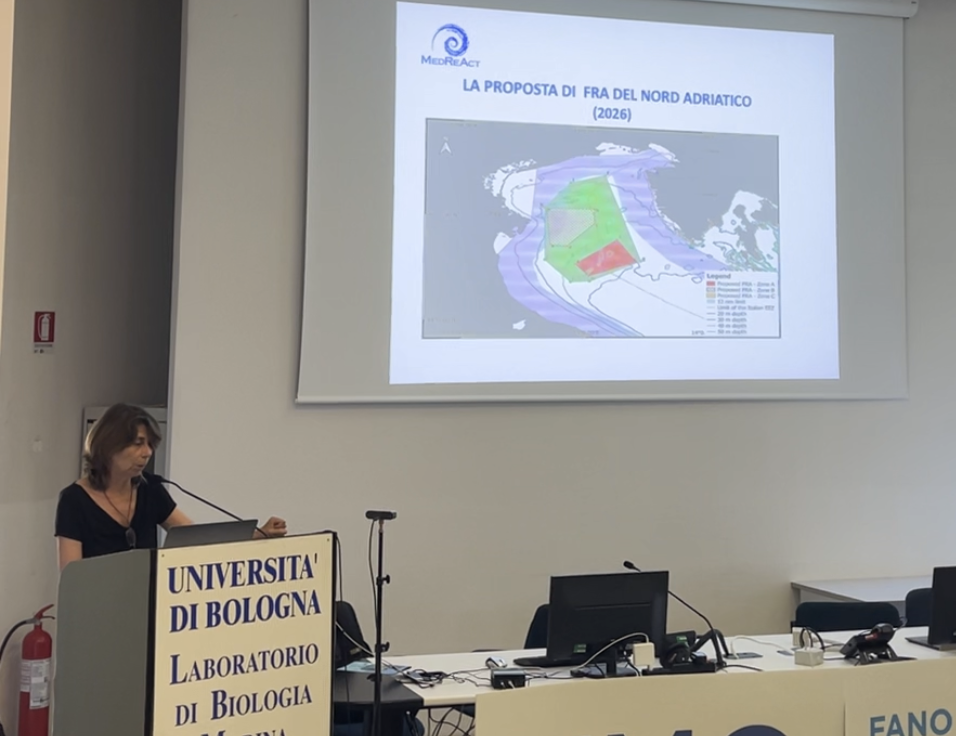
Domitilla Senni, representing MedReact, outlined the strategies undertaken to protect the sea and fish stocks from the impact of bottom trawling in the Adriatic Sea, a basin that accounts for 50% of Italian commercial catches. Among the successes achieved, she recalled the establishment of a Fisheries Restricted Area (FRA) in the Jabuka/Pomo Pit, which has led to a rapid increase in fish fauna since 2017. Following these results, the proposal to establish an FRA in the Otranto Channel was also accepted, giving rise to the second major reserve in the Adriatic and ensuring significant benefits for the entire fishing sector.
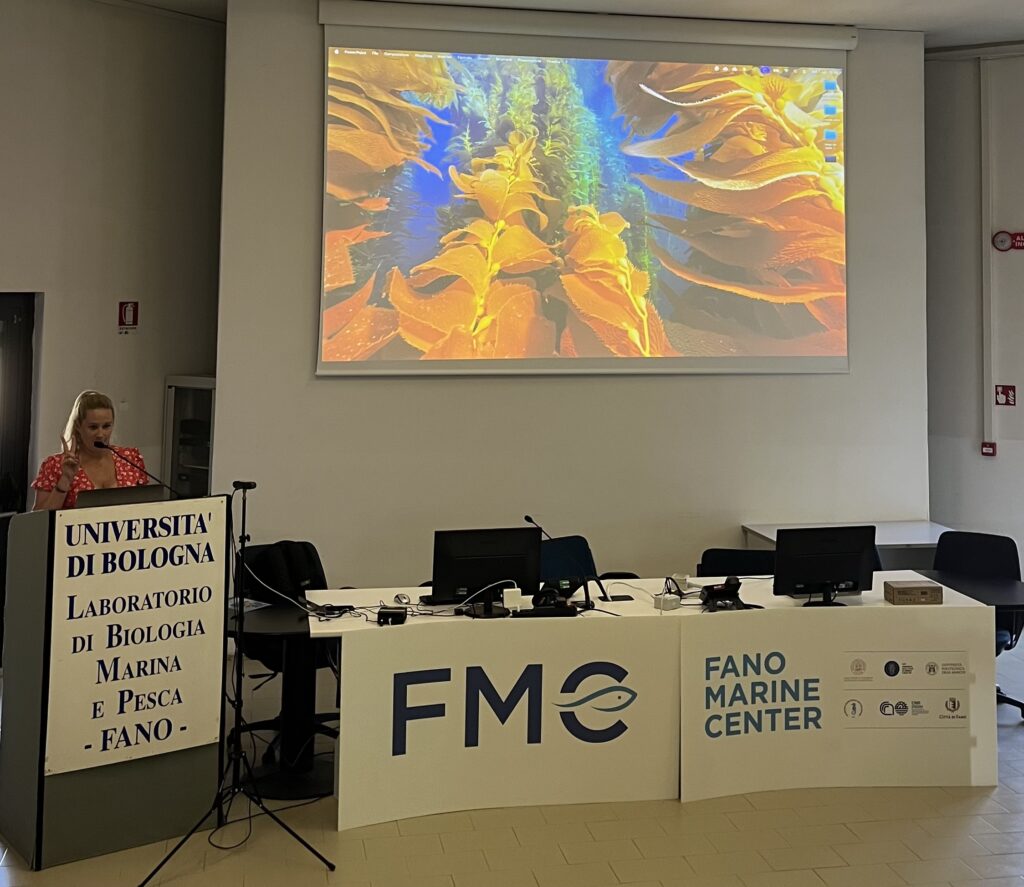
Following this, Angelica Palumbo, a fisheries consultant, brought the perspective and demands of fishers, emphasizing the need for a balanced dialogue between the fishing fleet, research bodies, and policy-makers. She focused on the controversial regulation regarding the use of pair bottom trawls: she recalled that a 2009 scientific study highlighted a fishing effort that was 30% to 50% higher, which subsequently led to regulations limiting use to two days a week. She criticized the 2024 measures that granted an extension to three fishing days for pair trawls without updated scientific justification. She noted that depleting the allotted days before the 2026 summer fishing ban could force vessels to revert to using single nets or abandon the gear altogether. She urged participants to view the fisher as an empowered “entrepreneur of the sea” and cited the example of FEAMPA European funds (€320,000) used for the installation of an oceanographic buoy and for restocking cages for marine species (including the Mediterranean mussel).
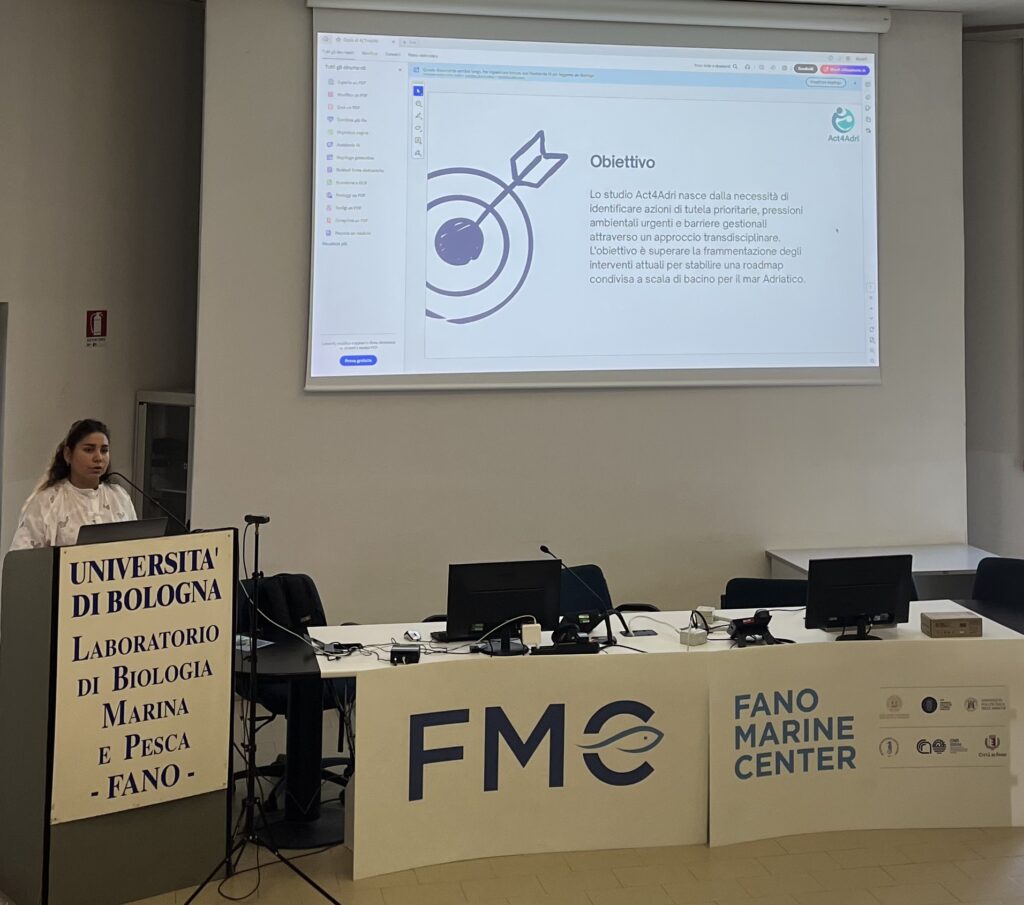
In conclusion, Letizia Sturiale, a recent graduate in Marine Biology at the Università Politecnica delle Marche, shared the results of her thesis work carried out as part of the Act4Adri project. The survey, previewed during Fano Ocean Action 2025 and conducted using the Delphi method, is currently ongoing. She presented data from the first round of the questionnaire administered to researchers and experts across the Adriatic basin: discrepancies emerged between disciplinary sectors, generational gaps, and excessive optimism from public management regarding the control of agricultural runoff. Consensus was recorded on 15 critical barriers (political, economic, and governance-related) and on three priority pillars extracted from 74 analyzed proposals: the establishment of Marine Protected Areas/no-take zones, sustainable fisheries management, and pollution reduction. She outlined the objectives for the second round: defining the precise spatial location of protections, setting quantitative reduction targets, and resolving scientific disagreements.
The presentations by the various speakers confirmed a strong common intent on core issues: the severity of the climate crisis and plastic pollution, the urgency of enforcing existing environmental laws, and the value of scientific research, ecological education, citizen science, and collaboration among associations to guide political choices.
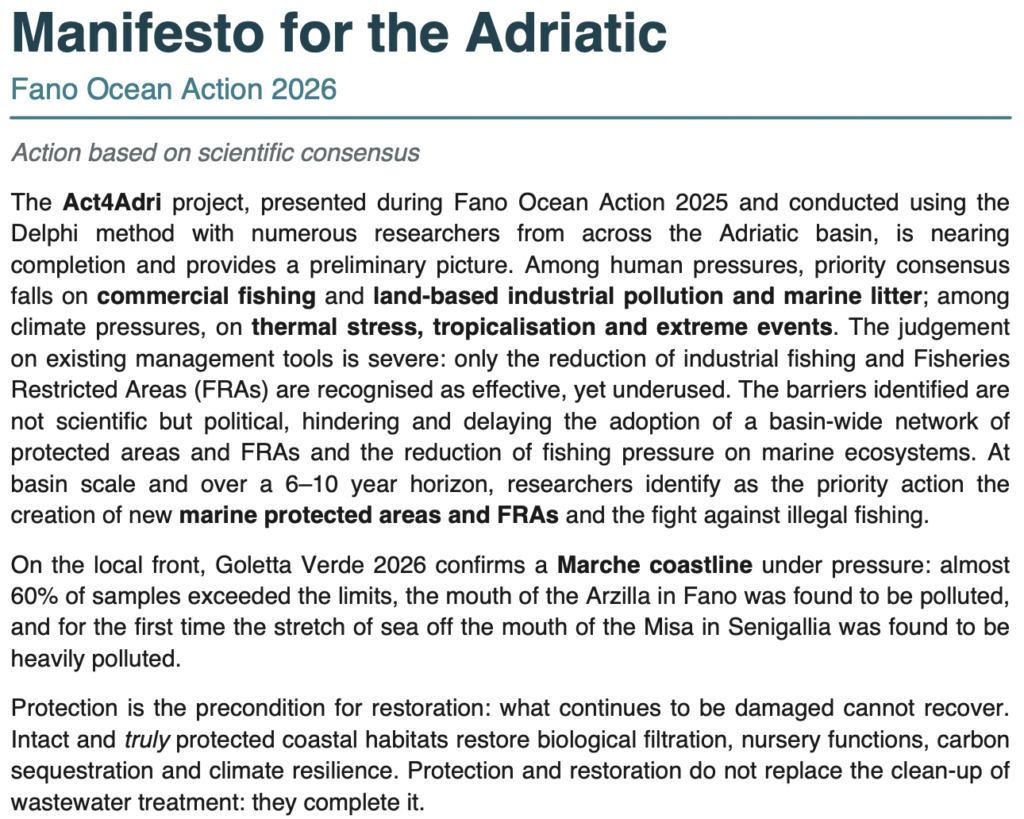
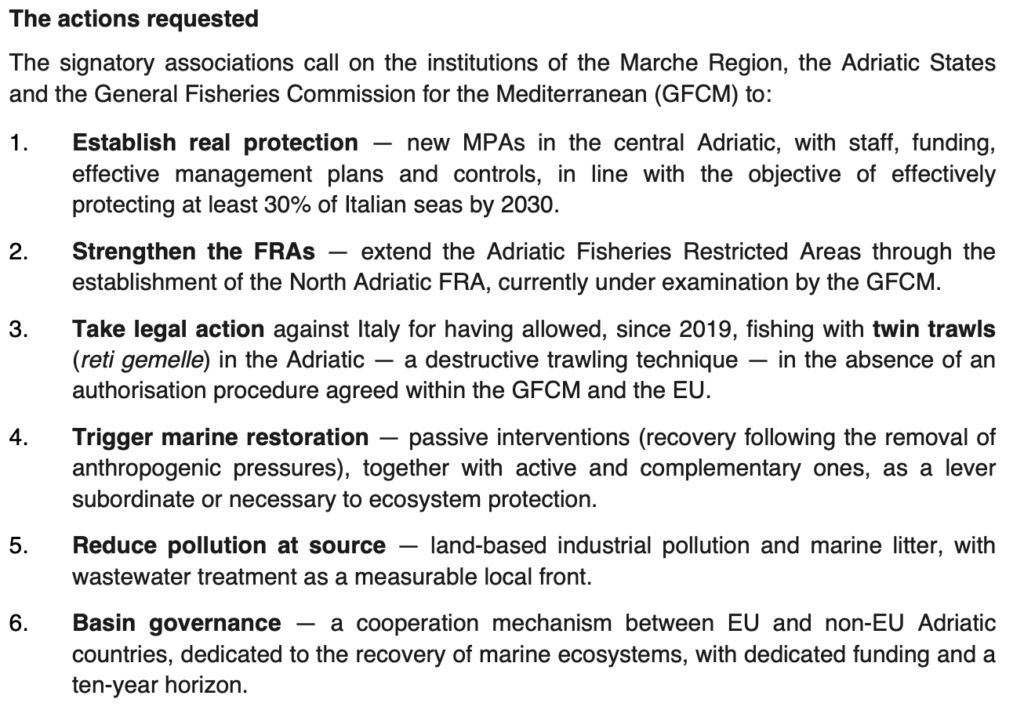
The conference concluded with the signing of the “Manifesto for the Adriatic,” signed by the participating associations: FanoUniMar, MedReact, Legambiente, Sea Shepherd, Marevivo, Greenpeace, Federazione Nazionale Pro Natura, Worldrise, Fondazione Cetacea, Reef Check Italia, and Sunce.